Warning Signs Your Well Pump Needs Urgent Pump Repair: 2026 Homeowner Guide
Knowing the warning signs of a failing well pump can help Evergreen, CO, homeowners avoid losing water at the worst possible moment. Mountain properties in Jefferson County face unique stressors that flatland systems simply don't share. Elevation, freeze-thaw cycles, mineral-heavy groundwater, and remote locations all push well pumps harder. This guide covers four critical warning signs, a simple call-vs.-wait decision framework, and answers to the questions homeowners ask most.
Why Mountain Well Pumps in Evergreen Fail Differently
Evergreen, CO, sits at roughly 7,000 feet, where reduced atmospheric pressure affects how pumps build and maintain water pressure. Properties here often draw from deep wells drilled through granite-heavy geology, and groundwater can carry elevated iron, sediment, and minerals. That combination accelerates wear on pump components, pressure tanks, and electrical controls far faster than comparable systems at lower elevation. Urgent pump repair in mountain areas requires technicians who understand these local conditions.
Four Warning Signs That Call for Urgent Pump Repair
Warning Sign 1 -- Pressure Fluctuations and Sputtering Faucets
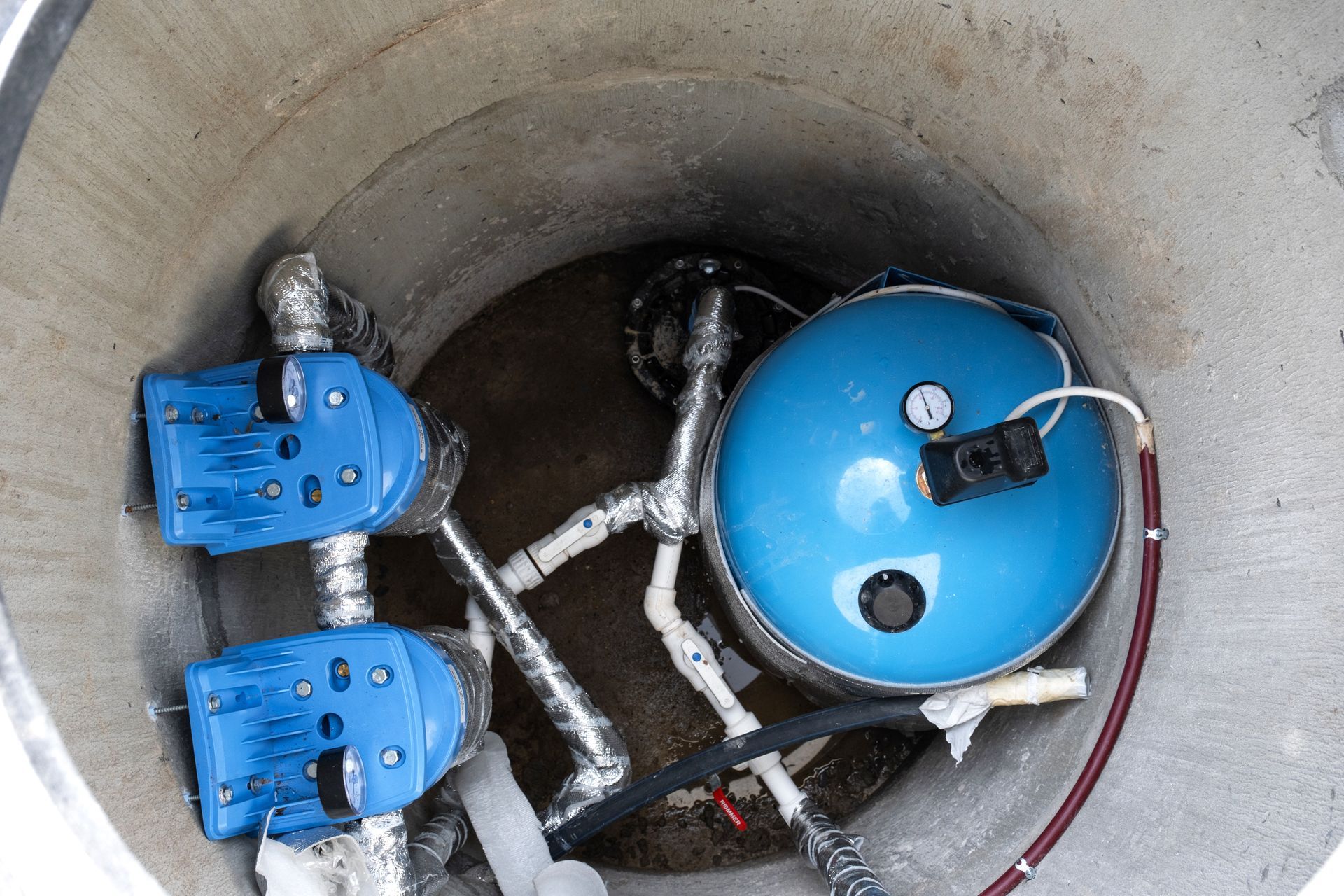
If your faucets sputter, your showerhead loses flow mid-use, or your pressure gauge bounces rather than holds steady, your pressure tank or pump may be struggling. At Evergreen's elevation, even modest pressure losses feel more pronounced because the system already works harder to deliver consistent flow. A failed pressure tank bladder is a frequent cause: when the bladder ruptures, the tank fills entirely with water, loses its pressurized air cushion, and the pump must start every time a faucet opens.
Warning Sign 2 -- Motor Short Cycling
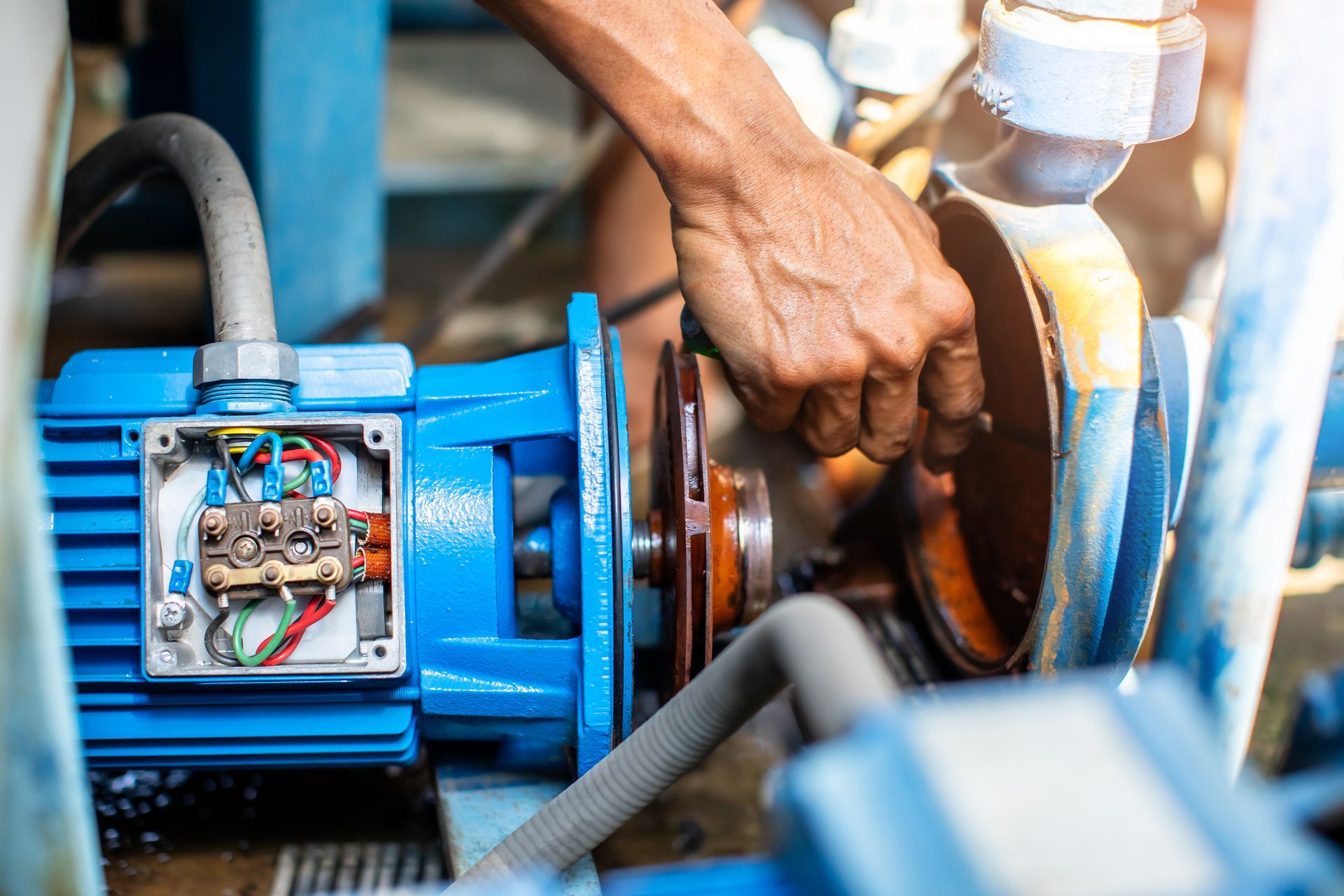
Short cycling means your pump turns on and off every few seconds rather than running a full cycle. Each startup draws a high electrical surge through the motor windings, generating heat that can burn out the motor. Mineral deposits and sediment can also clog the pressure switch sensing port, causing false pressure readings and incorrect pump activation. If you hear your pump clicking on and off rapidly while water is running, treat it as a sign that urgent pump repair may be needed right away.
Warning Sign 3 -- Sediment Surges and Discolored Water
Sandy particles or brown, rust-colored water signal that your well may be pulling sediment from the aquifer. This can happen when the pump intake screen is damaged, when water table levels drop during a dry summer, or when mineral buildup breaks loose. Sediment is abrasive and will accelerate wear on pump impellers and check valves. In Colorado's mountain geology, iron-bearing groundwater is common. Do not treat discolored water as a cosmetic issue. Scheduling urgent pump repair at the first sign of sediment can prevent permanent system damage.
Warning Sign 4 -- Electrical Faults and Breaker Trips
A well pump breaker that trips repeatedly is a serious warning. Trips can indicate a motor drawing excess current, a failing capacitor, corroded wiring, or a developing short circuit. Near Evergreen, moisture intrusion and seasonal temperature swings degrade wiring insulation faster than in more temperate climates. Never simply reset a tripped breaker and walk away. A breaker that trips more than once warrants urgent pump repair and a professional electrical inspection of the entire system.
Call vs. Wait -- A Simple Decision Framework
Call a technician immediately if:
▸ You have no water and the breaker is not tripped.
▸ Your breaker keeps tripping after a reset.
▸ You smell burning near the pressure tank or electrical panel.
▸ Sediment surges appear suddenly and heavily.
▸ Your pump runs continuously without building pressure.
Schedule a service call within 24-48 hours if:
▸ Pressure fluctuates but water is still flowing.
▸ You notice occasional short cycling during high-demand periods.
▸ Water has a faint metallic taste or slight discoloration.
▸ Your pressure gauge reads consistently low but stable.
Monitor and plan if:
▸ Pressure drops only at peak usage times.
▸ Your system is over 10 years old and has not been inspected recently.
Winter in Jefferson County adds urgency to any symptom. A pump already struggling is far more likely to fail during a cold snap, when frozen conditions make repairs harder and the wait for water more serious.
Does elevation affect how often I should service my well pump?
Yes. Higher elevations bring lower atmospheric pressure, affecting how your pump builds and holds system pressure. Combined with the mineral-heavy groundwater common in the Evergreen foothills, annual inspections are a reasonable target for mountain-area homeowners rather than the every-two-to-three-year schedule sometimes suggested for lower-elevation systems.
Can sediment damage a well pump permanently?
Yes, if left unaddressed. Abrasive particles wear down impeller blades and pump housing, reducing efficiency over time. Catching a sediment surge early gives a technician the best chance to protect the system before irreversible damage occurs
What should I do if my well pump breaker trips?
Reset the breaker once, then observe. If it trips again, do not reset it. Turn off the pump at the disconnect switch and call a well pump technician. Repeated trips can indicate a worsening electrical fault that poses risk beyond just losing water.
Frequently Asked Questions
Get Help Before a Small Problem Becomes a Big One
Mountain homeowners in Evergreen, CO, deserve fast, knowledgeable service from a team that understands local geology and elevation challenges. Living Water Pump Service has served the Front Range for over 30 years and specializes in urgent pump repair for mountain-area well systems. Call (303) 838-7301 today, request service online, or learn more about emergency pump repair options to protect your home's water supply before the next problem strikes.